
01
Names and informality
First names are common, including at work. Informality usually signals approachability, not a lack of respect.
An approachable introduction to everyday customs, work, safety and settling into life in Geelong—for newcomers and their families.
Public spaces, neighbourhood activities and community organisations are natural places to begin building connection.


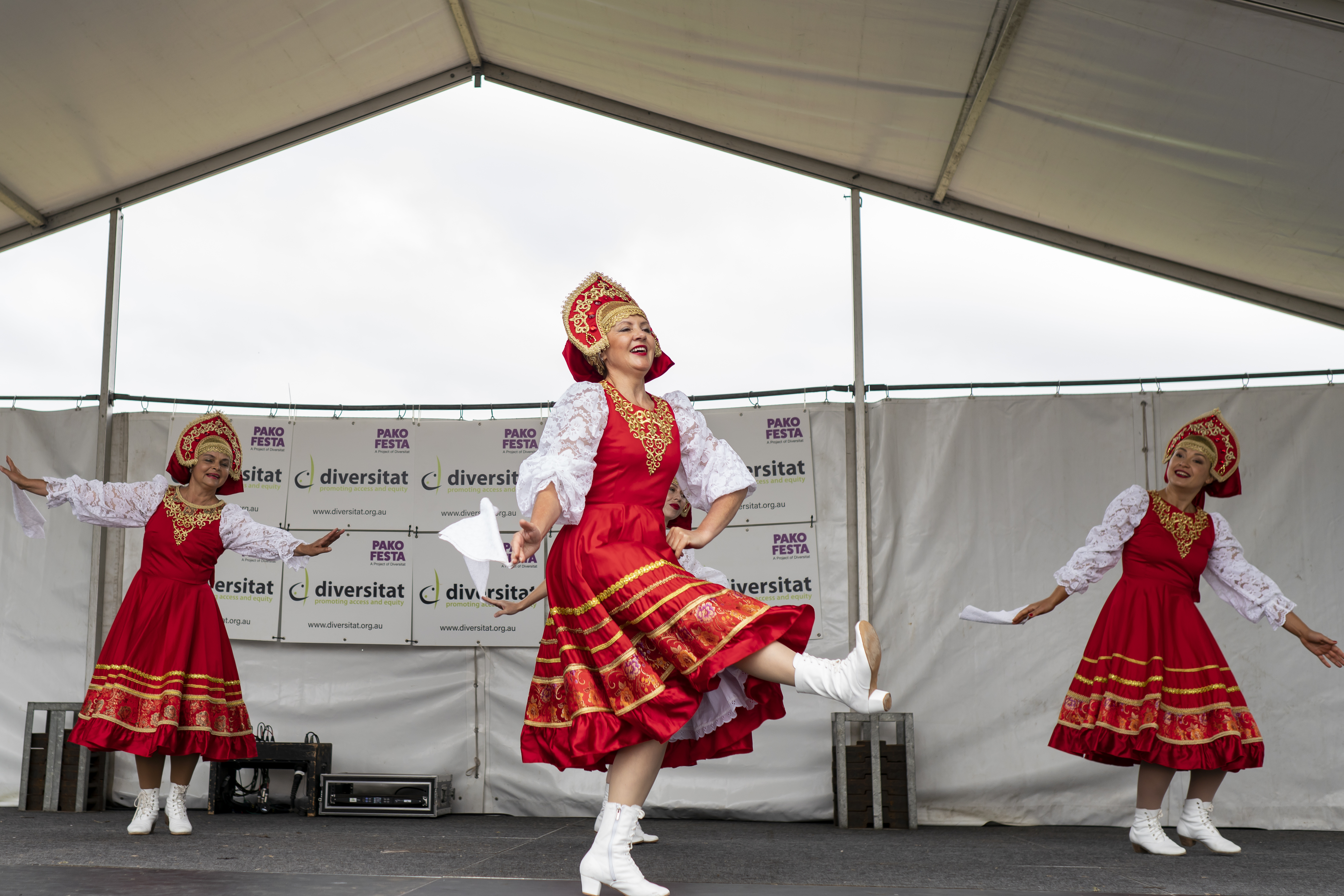
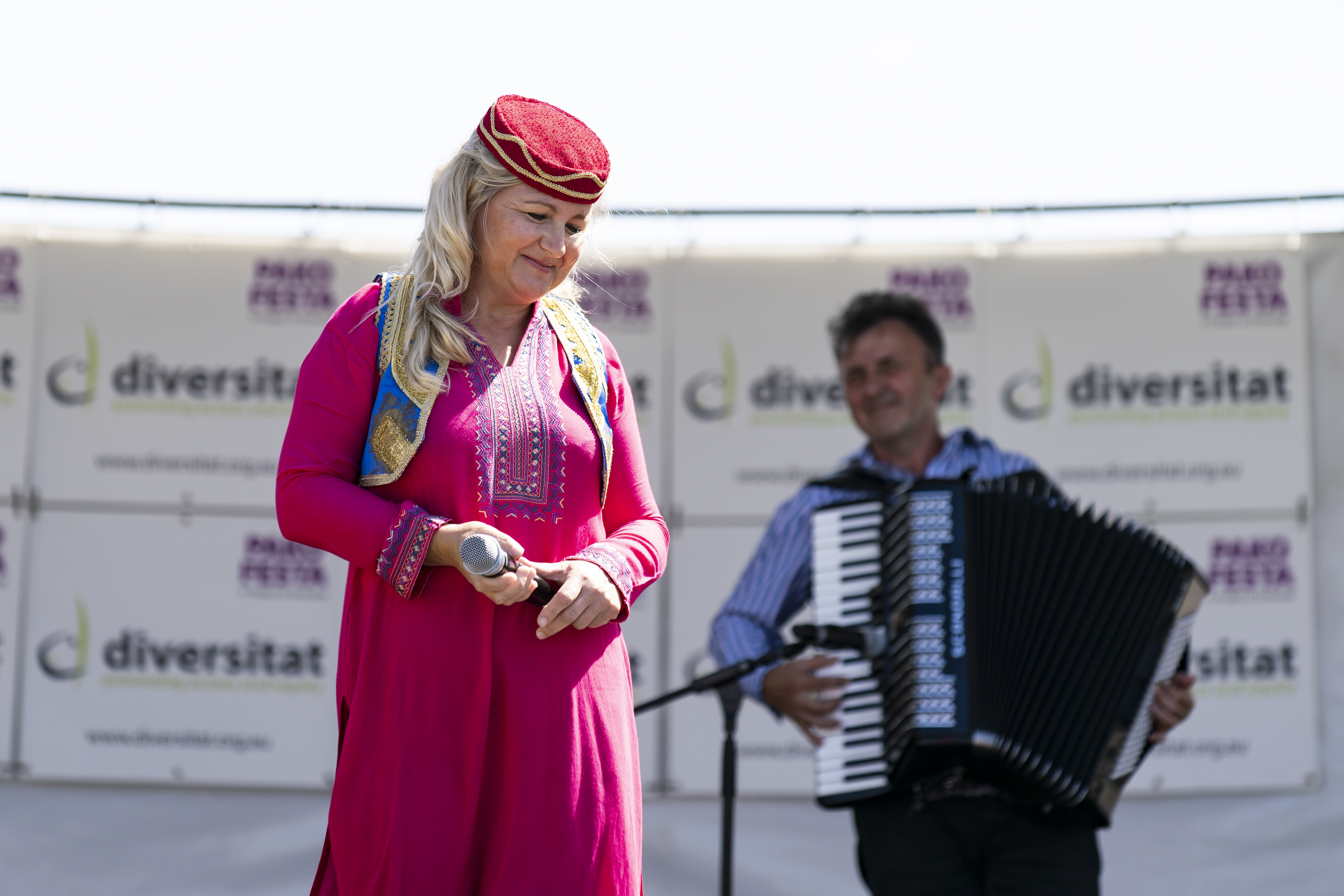
Images: Geelong Waterfront by Dtfman, CC0; Eastern Beach by John Shadbolt, CC BY 2.5; Pako Festa photographs by Matt Hrkac, image one and image two, CC BY 2.0.
Aboriginal and Torres Strait Islander peoples are the First Peoples of Australia, with living cultures and connections to Country extending across tens of thousands of years.
Geelong is on Wadawurrung Country. You may hear an Acknowledgement of Country at meetings and events. It recognises Traditional Owners and pays respect to Elders past and present; it is not a religious ceremony.
Listen to local Aboriginal voices, learn the correct name of the Country where you live, and understand that First Nations peoples and cultures are diverse.
Learn about Wadawurrung CountryThese are common tendencies rather than rules. Australia contains many cultures, communities and personalities.
First names are common, including at work. Informality usually signals approachability, not a lack of respect.
Punctuality matters for appointments and work. RSVP promptly and tell the host if your plans change.
Wait your turn, keep a comfortable distance and leave shared places clean.
People may say what they need clearly. A polite “no” or respectful disagreement is generally acceptable.
These small expressions are used frequently—with service staff, colleagues, neighbours and strangers.
Personal choice, consent, privacy and equal treatment are strongly valued. Discrimination is not acceptable.
Belonging does not require leaving your heritage behind.
Sharing meals is one of the easiest ways to exchange culture and make friends.
Families take many forms, but care, opportunity and children’s wellbeing are common meeting points.
Cricket offers familiar ground; Australian Rules football is a useful doorway into Victorian life.
Volunteering turns local participation into relationships and a stronger sense of belonging.
Workplaces often value initiative, teamwork, clear communication and reasonable boundaries between work and personal time.
Fair Work guidance for migrantsWhat applies to you depends on your visa and circumstances. Use these as prompts and confirm eligibility officially.
Use Home Affairs and VEVO to understand work, study and residency conditions.
A myGov account can connect eligible government services, including Medicare and the ATO.
Eligible people can enrol online or by form. Others may need suitable private health insurance.
A TFN is important for work, tax and superannuation. Keep it private and secure.
Victorian rules and conversion requirements depend on how long you stay and where your licence was issued.
Libraries, schools, Cultura, community groups and the Society can help you build local networks.
Call Triple Zero for urgent police, fire or ambulance help. For non-urgent police assistance, call 131 444.
UV can be high even when the weather feels cool. Use sunscreen, clothing, shade and water.
Swim between the red-and-yellow flags at patrolled beaches and follow lifesaver instructions.
Check VicEmergency and CFA fire danger ratings. Do not enter bushfire-risk areas on Catastrophic days.
Drive on the left, wear seatbelts, obey speed limits and never use a handheld phone while driving.
The Translating and Interpreting Service is available on 131 450 for many government services.
Requirements change. These organisations provide current information.
When and how to call 000.
Official websiteVisas, conditions, VEVO and citizenship.
Official websiteEligibility, documents and enrolment steps.
Services AustraliaATO forms and instructions for individuals.
Australian Taxation OfficePay, conditions and workplace protections.
Fair Work OmbudsmanVictorian rules for interstate and overseas licences.
VicRoadsTransport, family, housing and government services.
Official websiteFire danger, preparation and easy-English resources.
Country Fire AuthorityMulticultural and settlement support in the Barwon region.
Visit CulturaOur companion guide helps Australian neighbours understand Bengali customs, celebrations and the connections between Bengal and Australia.
Friendship often grows through shared activity.
It can take time to move from friendly conversation to close friendship. Regular contact makes a difference.